What kundalini energy is, its roots in tantra and hatha yoga, how kundalini yoga works, what research says, and how to practise it on a retreat near Guadalajara, Mexico.
Kundalini energy is one of the oldest and most talked-about ideas in yoga. Tradition describes it as a vital energy resting at the base of the spine that, once awakened, rises through the body to the crown of the head. Today many people meet it through kundalini yoga, a practice that brings together movement, breath, mantra and meditation.
This article covers what kundalini is, the tradition it comes from, what a kundalini yoga class looks like, what research says, and how to practise it at Finca El Péndulo, in the highlands of Jalisco, Mexico.
What kundalini is
The word comes from the Sanskrit kuṇḍalinī, “the coiled one”. The classic image is a sleeping serpent coiled at the base of the spine, in the root chakra (muladhara). The serpent stands for a potential everyone has and that, in most people, stays at rest.
In tantric traditions, kundalini is a form of Shakti, the feminine, creative energy of the universe. Its counterpart is Shiva, pure consciousness, placed at the crown, in the sahasrara chakra. A “kundalini awakening” describes Shakti rising to meet Shiva. For many teachers that union is the very meaning of the word yoga: to join.
The channels and the chakras
In the model of the subtle body, energy flows through channels called nadis. Three matter most:
- Sushumna, the central channel along the spine, the path kundalini climbs.
- Ida, on the left, linked to the moon, calm and receptivity.
- Pingala, on the right, linked to the sun, activity and heat.
Ida and pingala wind around sushumna and cross at the energy centres known as chakras. Seven are usually named along kundalini’s path: root (muladhara), sacral (svadhisthana), solar plexus (manipura), heart (anahata), throat (vishuddha), third eye (ajna) and crown (sahasrara).
Where the practice comes from
The idea of kundalini begins in the tantric texts of India and becomes central to medieval hatha yoga. Around the 15th century, the Hatha Yoga Pradipika describes it asleep, closing the entrance to sushumna, and offers postures, breathing (pranayama), energy locks (bandhas and mudras) and concentration to wake it. Other texts, such as the Shiva Samhita, build on the same map.
Kundalini yoga as a class style is more recent. It reached the West in the late 1960s and spread around the world in its own form: sets of exercises called kriyas, breath of fire, chanted mantras and meditations with mudras. Some teachers and scholars point out that this modern style differs from the older tantric teachings; it is fairest to see it as a contemporary practice inspired by that tradition.
What a kundalini yoga class looks like
A session usually follows this order:
- Tuning in with a mantra, such as Ong Namo Guru Dev Namo, to arrive in the present.
- Warming up the spine, with breathing to wake the body.
- Kriya: a set of repeated postures and movements, often with fast, rhythmic breathing such as breath of fire.
- Relaxation lying down, so the body can take in the work.
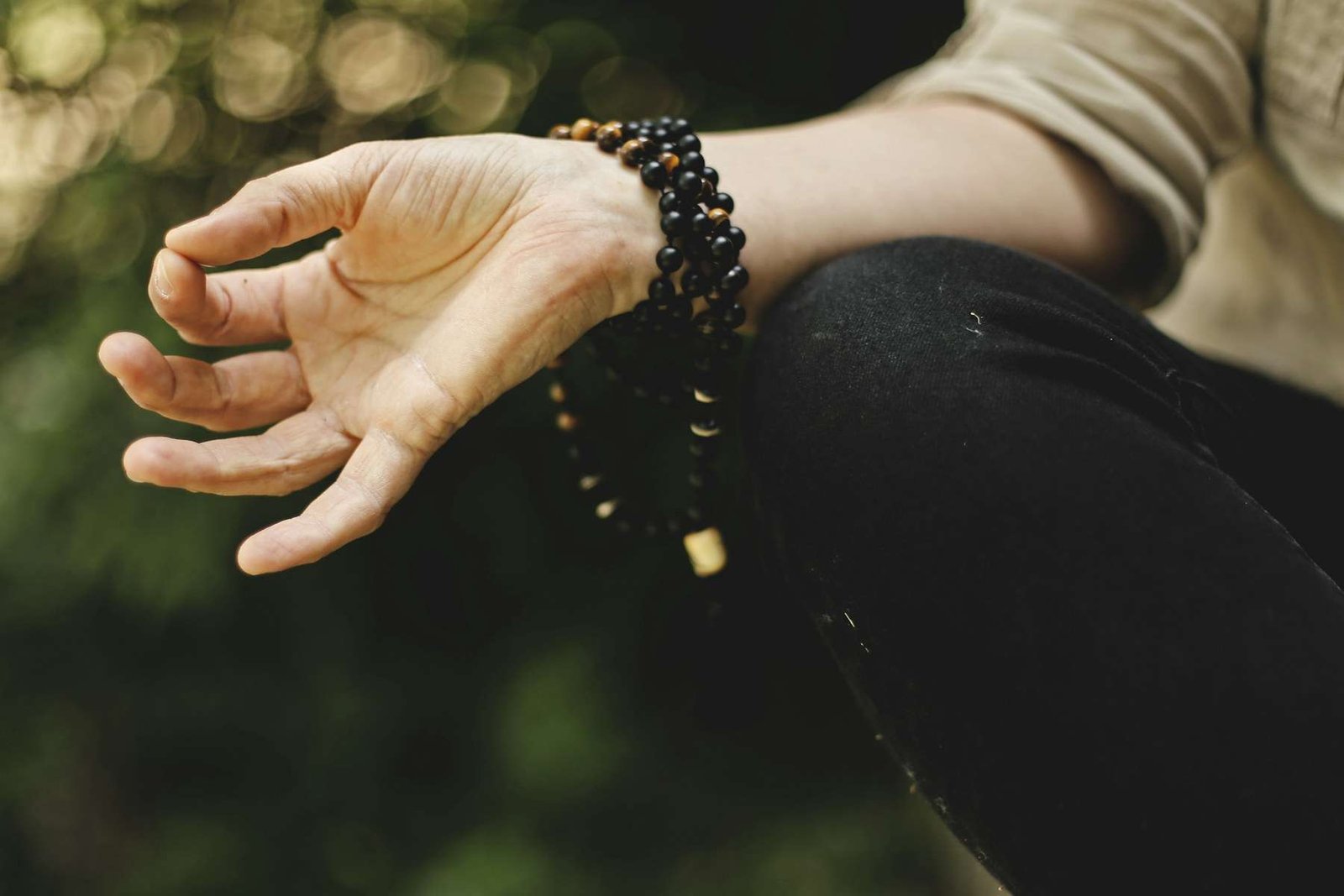
- Meditation with mantra, mudra or chanting, and a silent close.
Unlike more physical styles of yoga, the focus here is on breath, repetition and attention. You need no flexibility or previous experience: everyone moves at their own pace.
Benefits of kundalini yoga
People who practise it speak of more energy, a clearer mind, better sleep and a stronger connection with their body and emotions. Some of this is now being studied:
- In 2020 a clinical trial published in JAMA Psychiatry compared 12 weeks of kundalini yoga, cognitive behavioural therapy and a stress-management course in adults with generalized anxiety. 54% of those who did kundalini yoga improved, against 33% in the stress-management group. Cognitive behavioural therapy did better (71%) and remains the first-line treatment, but yoga proved a useful complement.
- Slow breathing and meditation, part of every class, are linked in many studies to lower stress and better emotional regulation.
Kundalini yoga does not replace medical or psychological care. It is a wellbeing practice that can support your process.
Kundalini awakening: slowly and with guidance
In the tradition, kundalini awakening is a gradual process cultivated over years, not something to force in an afternoon. Intense breathing and meditation can stir strong emotions, so it helps to:
- Practise with an experienced facilitator, especially at first.
- Respect your limits and rest when you need to.
- Check with your doctor if you are pregnant or have high blood pressure, a heart condition or a mental health condition.
- Give yourself time to integrate: walking, writing, good sleep and light meals all help.
Kundalini at Finca El Péndulo
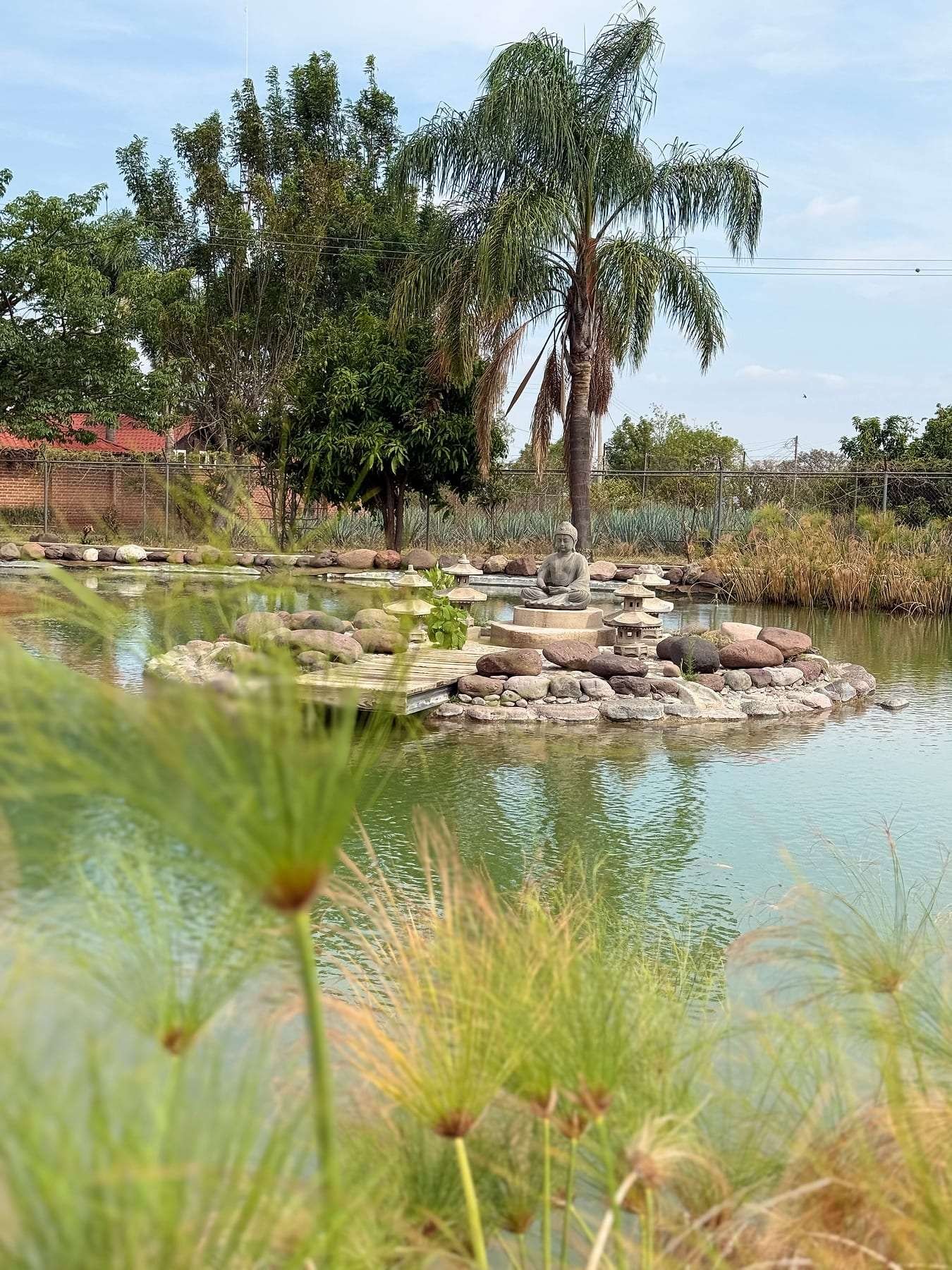
Kundalini is one of the practices we offer at Finca El Péndulo, a holistic centre in Tepatitlán de Morelos, one hour from Guadalajara. We practise it in spaces made for inner work, such as the Osho Hut and the Oráculo, surrounded by blue agave, gardens and Lake Ávalon.
You can experience it as part of a retreat for your group, alongside other wellbeing experiences such as the temazcal, meditation or walks across the Finca’s six hectares. If you run yoga or kundalini retreats, the Finca offers lodging, three meals a day and the spaces for your whole programme.
Frequently asked questions
Is kundalini the same as kundalini yoga? No. Kundalini is the idea of a vital energy described in tantra and hatha yoga. Kundalini yoga is a style of practice that seeks to awaken it through breath, movement, mantra and meditation.
Do I need experience to practise kundalini yoga? No. Kriyas are adapted to each person, and what matters is breath and attention, not flexibility.
What should I wear? Comfortable, loose clothes. Many people wear white by tradition, but it is not required.
Where can I practise kundalini near Guadalajara? At Finca El Péndulo, in the highlands of Jalisco, you can add kundalini to a retreat or to your stay. Message us on WhatsApp and we will tell you the options.